-
Casters
▾
-
Light Duty Casters Up to 350 Lbs
-
Medium Duty Casters Up to 1,500 Lbs
-
Heavy Duty Casters Up to 40,000 Lbs
-

Track Casters
-
Stem Casters All Stem Types
-
Stainless Steel
-
Pneumatic Casters Ait & Flat Free
-
Furniture Casters All Styles
-
High Temp Casters Up to 550 ˚F
-
Metric Casters
-

Leveling Casters
-
Spring Loaded
-
- Wheels ▾
- By Application ▾
- Accessories & Parts ▾
- Material Handling Products ▾
- Volume / Resale


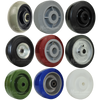





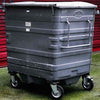

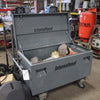

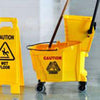










Flat Spotting

Flat spotting is when a distinct flat spot develops in a wheel or tire tread. This is caused by prolonged periods of inactivity, when the caster sits in one position for a long time. It leads to vibrations and thumping when trying to move the item later, making it difficult to move at all.
To prevent flat spotting in an item that needs casters but may sit in one position long enough to develop flat spots, you can use wheels that are better resistant to potential flat spotting.
In this article, we will be go through a few of the different material choices, highlighting how susceptible they are to flat spotting and some of their key characteristics.
Soft & Hard Rubber Wheels

Soft and hard rubber wheels are your typical run-of-the-mill wheels, with solid and treaded being the most popular shapes. They can be used in most situations, but work best for concrete floors due to their ability to to mark your floors. The initial cost upfront is about on par with contemporaries like plastic wheels (economy ones specifically).
The biggest issue with rubber wheels is that they are the most likely to flat spot. Even a harder rubber wheel will flat spot if left sitting long enough while bearing weight. If your application requires the item to potentially sit for long periods of time, we suggest other wheel material options.
Thermoplastic Rubber

Thermoplastic rubber (TPR) wheels are a hybrid style material that have both characteristics of rubber and plastic. The elasticity and rubber-like material effectively disperses energy when the wheel are in motion for a smooth ride.
This wheel is highly unlikely to flat spot unless bearing close to its capacity and sat there for a long time (close to a year).
TPR is a popular choice for janitorial applications for its resistance to water, chemicals and cleaning solutions. The TPR wheels are typically mid-range in cost compared to other caster wheels.
Elastic Rubber

Elastic rubber caster wheels share many characteristics with TPR wheels. They're both resistant to water, chemicals and cleaning solutions.
The difference lies in elastic rubber's higher capacity and even more cushioned ride. These are a popular choice for road cases within the entertainment industry.
Elastic rubber tends to be on the higher end of caster wheels and is highly unlikely to flat spot.
Polyurethane and Elastomer

Polyurethane is a plastic-like material which has the main benefit of being flexible for many applications. In the caster world, it can provide a bit of cushion, but it's mainly used to protect the floors in transit. Elastomer is a type of polyurethane known in the industry for being harder.
Polyurethane overall is highly unlikely to flat spot. If it does occur it's likely because the wheels are at or beyond their maximum carrying capacity while sitting for a while.
In softer polyurethane, a flat spot can can typically be rolled out. Hard polyurethane flat spots tend to be more permanent, but are less likely to occur.
Just like TPR wheels, these are more of a general-purpose type of caster wheel, but are not recommended for especially hot or cold applications, or in uses where they might be exposed to direct sunlight all day.
Final Thoughts
Flat spotting was once a common issue with wheels, but modern materials have largely solved this problem. We now have hybrid and alternative options beyond traditional rubber wheels.
Flat spotting in most wheels (with the exception of soft polyurethane) tends to be permanent. It's another reason why it's extremely important to choose a wheel with higher capacity than what is needed.
Consider how often the casters will move. If they're stationary, harder wheels may be a better option. For stationary casters that need to protect floors, consider polyurethane and remember that the main purpose of softer wheels is to provide better a better rolling experience over rough surfaces.
Overall, if you're worried about flat spotting, you can't go wrong with TPR, Elastic Rubber, Polyurethane or Elastomer.
If you have any questions or need further assistance or suggestions, feel free to contact the Mapp Caster team or give us a call at 800-345-0425 (Mon-Fri 7:00am - 4:30pm CST).
Also in Caster Knowledge

Grip Neck Casters and Sockets
This guide walks you through choosing and installing grip neck stem casters, ensuring that furniture looks great and functions well. Select the right caster to protect your furniture and floor, and ensure long-lasting performance.

Weight and Capacity
Buy casters with the right amount of weight in mind, to make sure their capacity holds up! Learn here the considerations to ensure you buy the correct ones.

Casters and Sockets
This guide walks you through choosing and installing a stem caster and socket, ensuring that furniture looks great and functions well. Select the right caster and socket to protect your furniture and suit your application.
Mapp Caster & Supply, Inc | 320 N. Sampson St | Houston, TX 77003 | 800.345.0425
© 2026 Mapp Caster. Website by Trailblaze Media


