

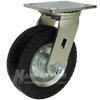
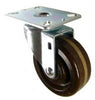
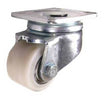
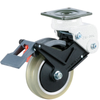
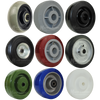


















Polyurethane VS Thermoplastic Rubber

When choosing a caster, the number of available options can feel overwhelming. For general-purpose applications that don't involve extreme temperatures, polyurethane and thermoplastic rubber (TPR) casters are both excellent choices.
Both materials are suitable for many hardwood and tile floors while remaining durable enough for rougher surfaces, such as concrete. Other wheel materials may mark or damage certain floors over time, depending on the material and operating conditions. Polyurethane and thermoplastic rubber offer a useful balance of durability and floor protection, making them versatile options for a wide range of applications.
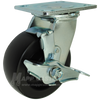
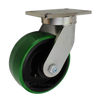
Polyurethane Casters
Polyurethane wheels generally offer higher load capacities than thermoplastic rubber wheels. This difference becomes especially important in applications that require casters to support heavier loads. To achieve a similar capacity, thermoplastic rubber wheels may need to be wider, larger in diameter, or both.
However, polyurethane performance can vary depending on the wheel's construction and the environment in which it operates. Exposure to extreme heat or cold, moisture, and certain chemicals can shorten the service life of some polyurethane wheels, particularly polyurethane-treaded wheels.
Solid polyurethane wheels can hold up better under certain demanding conditions, although they tend to cost more. In general, polyurethane is often less expensive than thermoplastic rubber, which makes it an appealing option for cost-conscious applications. For example, some grocery chains choose polyurethane wheels for shopping carts because of the balance they offer between cost and load capacity.
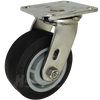
Thermoplastic Rubber Casters
Thermoplastic rubber wheels typically provide a smoother, quieter ride than polyurethane wheels. Their softer tread can also help them travel over rough floors more comfortably, although they generally support less weight.
TPR wheels are durable and can perform well in environments involving weather exposure, water, steam, and many common chemicals. Their combination of floor protection, cushioning, and resistance to demanding cleaning conditions makes them particularly useful for general-purpose applications.
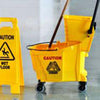
Thermoplastic rubber is commonly used on janitorial equipment. These wheels are relatively lightweight, help protect floors, and can be suitable for equipment that regularly encounters cleaning solutions. As with any wheel material, compatibility depends on the specific chemical, concentration, temperature, and duration of exposure.
Polyurethane vs. Thermoplastic Rubber: Quick Comparison
| Feature | Polyurethane | Thermoplastic Rubber |
|---|---|---|
| Load capacity | Generally higher | Generally lower |
| Ride quality | Firm | Smoother and quieter |
| Rough floors | Good, depending on wheel design | Softer tread can provide better cushioning |
| Floor protection | Good | Good |
| Chemical and moisture resistance | Depends on formulation and conditions | Often good, depending on the substance and conditions |
| Cost | Often less expensive | Often more expensive |
How to Choose the Right Caster
When deciding which caster is right for your application, consider the following factors:
- Operating environment: Will the caster encounter heat, cold, moisture, chemicals, or cleaning solutions?
- Load capacity: How much weight must each caster support?
- Height restrictions: Do you have a maximum allowable caster height?
- Mounting method: Does your equipment require a stem-mounted or plate-mounted caster?
- Frequency of use: How often will the equipment move, and how far will it travel?
The best choice depends on how these factors work together. Polyurethane is often a strong option when load capacity and cost are priorities, while thermoplastic rubber is worth considering when a quieter ride and additional cushioning are important.
Need Help Choosing?
Questions about which caster is right for your application? Give us a call at 800-345-0425 (Mon-Fri 7:00AM - 4:30PM CST) or contact us. Our team can help you find a caster that fits your equipment and operating conditions!
Also in Caster Knowledge

Kitchen Casters: Caster Wheels
Learn how to choose the best commercial kitchen caster wheels by comparing heat resistance, floor protection, chemical resistance, and rolling performance.

Polished Concrete and Wheel Staining
Why some wheels stain polished concrete, and how to choose ones that won't. The wrong caster wheels can leave permanent brown marks on a polished concrete floor. The fix is simple: choose the right wheel material from the start.

Kitchen Casters: Caster Rigs
Commercial kitchen casters face heat, grease, chemicals, and washdowns. Learn how stainless steel rigs, seals, and dust covers improve caster durability


