-
Casters
▾
-
Light Duty Casters Up to 350 Lbs
-
Medium Duty Casters Up to 1,500 Lbs
-
Heavy Duty Casters Up to 40,000 Lbs
-

Track Casters
-
Stem Casters All Stem Types
-
Stainless Steel
-
Pneumatic Casters Ait & Flat Free
-
Furniture Casters All Styles
-
High Temp Casters Up to 550 ˚F
-
Metric Casters
-

Leveling Casters
-
Spring Loaded
-
- Wheels ▾
- By Application ▾
- Accessories & Parts ▾
- Material Handling Products ▾
- Volume / Resale


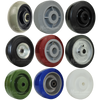


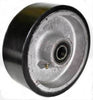
















Polyurethane Caster Wheels

Polyurethane wheels are used for their ability to not damage the floors they roll on while providing increased capacity over rubber wheels.
Polyurethane Wheel Qualities
Polyurethan caster wheels can come in the most diverse selection of colored wheels of any other material. The color itself has no effect, purely aesthetic.
Polyurethane caster wheels can either be a solid piece of polyurethane or a polyurethane treaded wheel. Both types of polyurethane wheels have their pro and cons being cost, capacity and durability.
Polyurethane Treaded Wheels

The polyurethane tread on polyurethane treaded wheels provide floor protection and a bit of cushion during transit.
Plastic, aluminum, and iron are commonly used materials for the core of the wheel.
- Polyurethane on plastic wheels are quite a popular choice because of their relatively low cost.
- Polyurethane on aluminum wheels can be used in wet environments as the core resists rust while providing some extra capacity that a plastic core can't provide.
- Polyurethane on iron wheels provide the most capacity you can without using a solid piece steel wheel (which may damage your floor with prolonged usage).
The treads are bonded to the cores by two primary methods, mechanical molding to the wheel, and chemical bonding to the wheel. Chemical bonding is the stronger method. How the tread is bonded can directly affect the lifespan of your wheel.
The downside of using a polyurethane treaded wheel is that the tread will eventually come off over time, leaving the wheel to roll on the core. Polyurethane dries out and cracks over time. Prolonged exposure to sunlight, heat, water, chemicals, oils, and greases can cause this to occur prematurely.
Solid polyurethane Wheels

The major benefit of using a solid polyurethane wheel is that you eliminate the de-treading issue that is common with polyurethane treaded wheels. This helps extend the life of your wheel and saves you time replacing the wheels. This is reflected in the cost, though.
Solid polyurethane wheels resist water, most chemicals, greases, oils, blood and brine better than a polyurethane treaded wheels, making it a great choice for a stainless steel caster.
Solid polyurethane wheels can also be referred to as elastomer wheels. Elastomer is a harder solid polyurethane wheel capable of carrying higher capacities.
Solid polyurethane wheels are floor safe as well, just like polyurethane treaded wheels.
Capacity
Polyurethane caster wheels tend to be somewhere between the middle and higher end of caster capacities.
Capacity is dependent on a number of factors when it comes to polyurethane wheels.
- How hard is the polyurethane?
- Is it a polyurethane treaded wheel or one solid piece?
- If not a solid piece, does it have a plastic, aluminum or iron core?
Polyurethane wheels can vary in hardness. In order to get a better idea of how soft or hard a polyurethane wheel is, the wheel itself should have a rating using the scale shore A or shore D. Shore A is typically used to measure softer materials and shore D used to measure harder materials. The smaller the number on both scales, the softer that wheel is.
The hardness of the polyurethane directly affects the capacity, especially solid polyurethane wheels. If you're ever in doubt about the hardness of a wheel, the rating scale used should give you a good idea whether the wheel is hard or soft.
Whether the polyurethane wheel uses a core or is solid one piece also affects its capacity. For the cores, plastics tend to carry the least amount of weight followed by aluminum and iron. When higher capacities are required, typically a solid steel wheel or a polyurethane on iron wheel is used.
For solid polyurethane wheels, the durometer/hardness of the polyurethane determines its capacity.
How Well Do Polyurethane Wheels roll?
When picking a polyurethane wheel, consider its durometer and pick accordingly for your floor. It is recommended to use softer wheels for rougher floors as they roll over cracks and debris easier. For smoother floors with a little debris, a harder polyurethane is ideal.
Applications
Below are just a few commonly recommended applications that polyurethane wheels and castes are great for:
- Gantry Cranes
- Grocery Carts
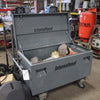
- Job Boxes
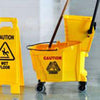
- Kitchens
- Platform Trucks
- Pry Bars
- Retail Stores
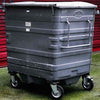
- Shipping Containers
- Shopping Carts
- Warehouses
- Wet Environments (Solid Polyurethane)

Final Thoughts
Polyurethane wheels have a place in many applications that some consider them a jack of all trades. Although they're great for many applications, its life span can be decreased depending on the environment it lives in. Overall, polyurethane wheels are for those who want to preserve the floors they will be rolling on or could use a bit of assistance rolling over cracks and debris.
Need help finding the right caster wheel for your project? Feel free to contact us or give us a call at 800-345-0425 (Mon-Fri 7:00am - 4:30pm CST).
Also in Caster Knowledge

Kitchen Casters: Caster Rigs
Commercial kitchen casters face heat, grease, chemicals, and washdowns. Learn how stainless steel rigs, seals, and dust covers improve caster durability

Measuring Threaded Stem Casters
Threaded stem casters can be difficult to measure. Learn how to measure stem diameter, length, and thread pitch for an exact replacement fit.

High Temp Dual Wheel Casters
Discover high-performance dual wheel casters built for low clearances, heavy loads, and extreme temperatures up to 425°F, with excellent rolling and swiveling performance.


